If you manage commercial or rural property in Florida and are facing a site remediation project, the gap between a clean handoff and a costly, drawn-out cleanup often comes down to preparation. In this guide, we walk through every phase of a site remediation project, from initial assessment to final inspection, and give you a practical checklist you can use whether you are managing the process yourself or coordinating with building demolition contractors in Duette or the surrounding area.
What Site Remediation Actually Involves
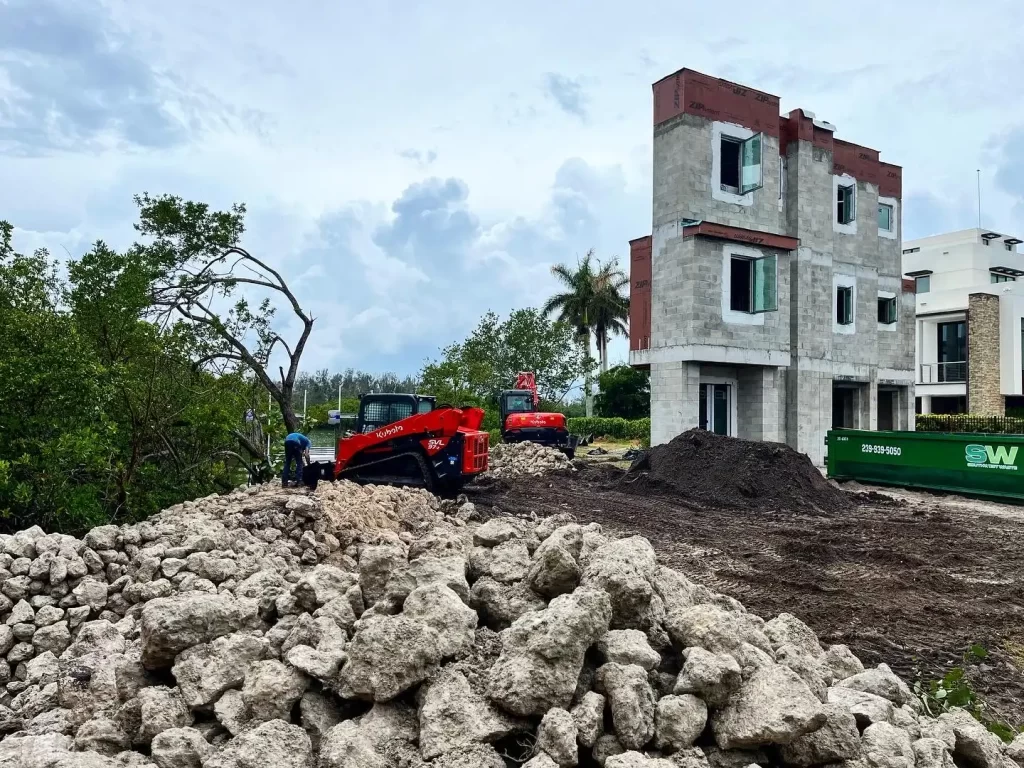
Site remediation is a broad term that covers several distinct scopes of work. Property managers often discover this when they request a quote and find that different contractors are pricing very different things. At its core, site remediation for a managed property typically includes some combination of the following:
Structural demolition of existing buildings or outbuildings
Debris removal and haul-off, including concrete, metal, wood, and mixed waste
Vegetation clearing, stump grinding, and root removal
Grading and surface stabilization for next-use readiness
Erosion control installation to meet regulatory requirements
Hazardous material identification and proper disposal coordination
Not every project requires all of these components, but knowing which ones apply to your site from the start allows you to scope accurately, permit correctly, and avoid discovering mid-project that your contractor is not equipped for a specific phase.
The Property Manager's Site Remediation Checklist
Use this checklist to stay organized from initial planning through project closeout. Each phase builds on the one before it, and skipping steps in the early phases almost always creates problems in the later ones.
Walk the entire property and photograph current conditions, including all structures, surface debris, drainage features, and vegetation.
Asbestos survey: Identify any structures that may contain asbestos-containing materials. Buildings constructed before 1980 require a licensed asbestos survey before demolition begins in Florida.
Check the property's floodplain designation through FEMA's Flood Map Service Center. Manatee County parcels can include both upland and low-lying areas with different regulatory requirements.
Pull any existing permits or certificates of occupancy for structures on the site. These documents help establish what was legally built and what your contractor needs to reference for the permit application.
Call Florida 811 to confirm utility service locations. This is a legal requirement before any ground disturbance.
Determine which agencies have jurisdiction. For most Duette-area properties, this means Manatee County Building and Development Services for structural demolition and SWFWMD for any work near wetlands or regulated setbacks.
Confirm whether a protected species survey is required. Rural parcels in Manatee County frequently contain listed species habitat, and clearing without this survey can result in stop-work orders and significant fines.
Obtain the demolition permit before any work begins. Unpermitted demolition in Florida can result in doubled permit fees, stop-work orders, and complications when selling or refinancing the property.
Verify your contractor holds a valid Florida Certified General Contractor or Certified Building Contractor license. Confirm license status at the Florida DBPR before signing any contract.
Get a written scope of work from every contractor involved. Verbal agreements about what is included in debris removal or grading create disputes at invoice time.
Confirm disposal methods and destinations for all waste streams. Concrete, clean fill, treated wood, metals, and hazardous materials all have different disposal requirements under Florida law.
Establish a site access plan, including gate codes, road conditions, weight limits on private roads, and neighbor notification for rural Manatee County properties.
Set a clear communication schedule for progress updates and milestone sign-offs. Define who approves phase completions before the next phase begins.
Verify that erosion and sediment controls are installed before clearing begins, not after. Florida NPDES requirements mandate this sequencing for most commercial and multi-acre residential projects.
Conduct interim site walks at key milestones: after demolition is complete, after debris is cleared, and after rough grading.
Document conditions with dated photographs at each milestone. This protects you in disputes and supports your final closeout package.
Confirm hazardous material disposal receipts are in hand before signing off on that phase. These records are your documentation of legal compliance.
Schedule the required final inspection with the building department before the contractor demobilizes. Having equipment and crew available for punch list items is far cheaper than remobilizing.
Obtain a Certificate of Demolition or final inspection approval from the building department. Keep this in your permanent property file.
Confirm that all open permits are officially closed. Open permits attach to the property title and can surface during sale or refinancing as unresolved issues.
Conduct a final site walk with photographs and confirm the site matches the agreed scope of work before releasing final payment.
Common Site Remediation Mistakes and How to Avoid Them
| Common Mistake |
How to Avoid It |
| Starting clearing before asbestos survey | Require survey completion and written report before mobilization |
| Not calling Florida 811 before ground disturbance | Make 811 notification confirmation a contractual requirement |
| Assuming debris removal is included in demolition scope | Itemize every waste stream in the written contract |
| Skipping interim inspections | Schedule milestone site walks before each phase sign-off |
| Releasing final payment before permit closeout | Tie final payment to certificate of completion in contract |
| Hiring unlicensed contractors to cut costs | Verify license status at Florida DBPR before signing anything |
Site Remediation in Duette: What the Local Landscape Demands
Duette is an unincorporated rural community in eastern Manatee County. Properties in this area tend to be larger parcels with a mix of agricultural structures, older residential buildings, and natural areas that can include wetlands, scrub habitat, and listed species territory.
This combination means that site remediation in Duette requires contractors who are comfortable working in rural environments with limited road access, familiar with Manatee County's permitting workflows, and experienced in identifying and avoiding regulated habitat during clearing operations.
Local detail that matters: Permit review at Manatee County Building and Development Services is generally reasonable, but environmental agency reviews through SWFWMD can add weeks when wetland impacts are involved. Account for this in your schedule from the start, not after the delay hits.
Working with building demolition contractors in Duette who have a track record on rural Manatee County properties is a meaningful risk reduction for your project timeline and regulatory exposure.
Frequently Asked Questions
Do I need a permit to demolish an old farm structure in Duette?
Yes. Any demolition of a permanent structure in Manatee County requires a permit, including agricultural outbuildings, barns, and older residential structures. The permit process ensures proper utility disconnection and, if the structure predates 1980, triggers the requirement for an asbestos survey before demolition begins.
What is the difference between debris removal and site remediation?
Debris removal is a single component of site remediation. Site remediation refers to the full process of returning a property to a usable, compliant condition, which can include demolition, debris removal, clearing, grading, erosion control, and hazardous material disposal. When scoping your project, be specific about which components you need priced.
How do I know if my Duette property has wetlands that will affect the project?
Wetland delineation requires a site visit by a qualified environmental consultant or your land services contractor. Preliminary screening can be done using SWFWMD's online mapping tools and the National Wetlands Inventory, but these are not substitutes for a formal delineation. If your parcel shows any low-lying areas, drainage features, or hydric soils, budget for a delineation before finalizing your scope.
Can I handle debris removal separately to save money?
In some cases, yes. On larger rural properties, separating the debris removal from the demolition contract can allow competitive pricing on each scope. The risk is coordination. If debris is not removed on schedule, it can block the grading phase and push your overall timeline. If you split the scopes, make sure sequencing and handoff points are clearly defined in both contracts.
Planning a Site Remediation in Duette or Manatee County?
Wingard Land Services has the equipment, licenses, and local knowledge to handle demolition, debris removal, and full site cleanup on rural Florida properties.