

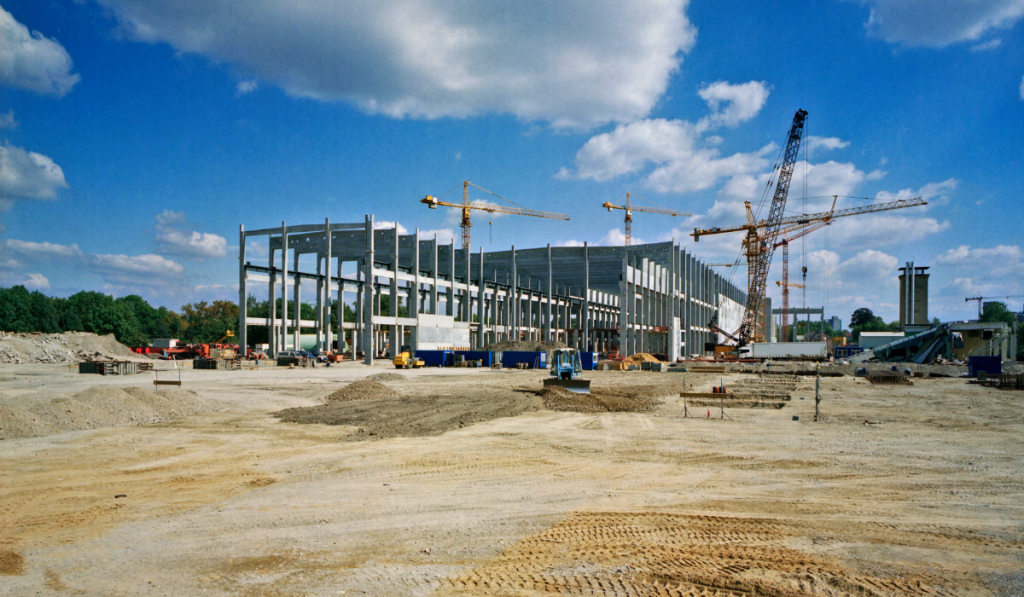
Construction site prep in Bradenton follows a six-phase sequence, clearing, demolition, rough grading, utility layout, compaction, and erosion control, and each phase has specific Manatee County permitting and inspection requirements that affect whether the next phase can begin on schedule. Skipping or rushing any step does not eliminate it from the project. It moves the cost downstream, where corrections are harder to make and more expensive to execute. This post walks through each phase, what can go wrong when it is not handled correctly, and how the contractor model you choose affects both your timeline and your inspection outcomes.
The 6-Phase Site Prep Sequence for Bradenton and Manatee County Construction Projects
Step 1: Land Clearing
Clearing is the first physical phase of any construction site prep project in Bradenton. It establishes equipment access, removes vegetation that would interfere with grading, and exposes the soil profile that all subsequent phases will work with.
What goes wrong when clearing is rushed: vegetation root systems that are not fully removed create voids under compacted fill that settle over time. Trees that fall in the wrong sequence block equipment access and add recovery time to the schedule. Clearing that does not account for Manatee County's protected tree requirements results in stop-work orders before grading even begins.
What to confirm at this phase: all protected trees have been identified and flagged per the Manatee County tree survey requirements, clearing equipment is sized to the parcel, and the clearing scope includes stump grinding to the depth required for the building pad or road corridor above it.
Our land clearing services are structured around the specific vegetation and soil conditions common to Bradenton and Manatee County parcels.
Step 2: Demolition (Where Applicable)
On sites with existing structures, demolition has to be fully completed and the site cleared of all debris before grading can begin. This sounds straightforward, but the sequencing between demolition and grading is where many Bradenton site prep projects lose time.
What goes wrong: a demolition contractor leaves a concrete slab in place because slab removal was not clearly scoped. The grading contractor arrives, discovers the slab, and either stops work pending re-scoping or charges a change order to break and remove it. Either outcome adds cost and delays the grading phase.
What to confirm: the demolition contract specifies what remains on site after the work is complete, slab and foundation removal is explicitly included or excluded in writing, and all debris is hauled off to an approved facility before the grading contractor mobilizes.
Step 3: Rough Grading
Rough grading establishes the general elevation of the site, directs drainage away from the building envelope, and creates the working surface that utility layout and compaction will follow. On commercial projects in Manatee County, rough grading has to align with the civil engineer's grading plan and SWFWMD stormwater management requirements before the next phase can proceed.
What goes wrong: rough grading that does not match the permitted grading plan creates a drainage design that fails at the first major rain event. Corrections require re-grading, re-compaction, and in some cases re-permit, all of which push the construction start date.
What to confirm: the grading contractor is working from the permitted civil plan, grade elevations are being verified against design targets throughout the work rather than only at the end, and drainage is directed to the designed retention or outfall location before the next phase begins.
Step 4: Underground Utility Layout
Utility layout, establishing the horizontal and vertical position of water, sewer, storm drainage, and electrical conduit before trenching begins, is the phase most likely to create inspection delays if it is not coordinated with the grading plan from the start.
What goes wrong: utility lines designed to specific invert elevations conflict with the as-built grade because grading and utility layout were handled by separate contractors who did not coordinate. The conflict is discovered during the utility inspection, the trench has to be re-opened, and backfill has to be redone.
What to confirm: utility layout is being coordinated against the permitted grading plan, trench depths are verified against the design before pipe is set, and the contractor pulling the utility permit is registered with Manatee County and familiar with the local inspection process.
Step 5: Compaction
Compaction converts disturbed and filled soil into a stable, load-bearing building pad. It is the phase that most property owners never see but that has the most direct effect on long-term foundation performance.
What goes wrong: fill is placed in lifts that are too thick to compact uniformly, resulting in a surface that tests at acceptable density while voids and loose zones exist beneath. Those voids compress under structural load over time, producing settlement that appears months or years after the project closes.
What to confirm: fill is being placed and compacted in lifts, typically six to eight inches, to the density specification required by the structural design. Compaction testing is documented before the concrete contractor is scheduled, and the testing covers the full building footprint, not just spot locations at the perimeter.
For a detailed look at how Wingard Land Services manages the full site preparation scope from clearing through compaction, visit our service page.
Step 6: Erosion Control
Erosion control is the final phase of site prep and the one most commonly treated as an afterthought. In Manatee County, erosion control measures are required to be in place and functional before a site inspection will pass, and they have to be maintained throughout the construction period, not just installed at setup and forgotten.
What goes wrong: silt fence is installed without being trenched into the ground, inlet protection is placed but not sized correctly for the drainage area it is protecting, or erosion controls are removed during construction activity and not replaced. Any of these conditions can trigger a county violation notice or a failed inspection that holds up the next permit.
What to confirm: silt fence is trenched and staked per Manatee County standards, all active inlets within the project boundary have properly sized protection, stabilized construction entrances are in place before truck traffic begins, and the contractor is responsible for maintaining controls through the construction period, not just installing them.
One Contractor vs. Multiple Trades: How the Choice Affects Your Inspection Outcomes
Each of the six phases above connects directly to the next. When a different contractor handles each phase, the handoffs between them become the source of most site prep failures in Bradenton, not the individual phases themselves.
The grading contractor does not know what the demolition contractor left behind. The utility contractor does not know what the grading contractor built. The erosion control contractor installs to a generic standard without understanding the drainage design. Each gap is a potential inspection failure or a change order.
When one contractor manages the full sequence, the phases are designed and executed as a single workflow. Corrections within the scope happen internally, not as additional line items on your invoice. You can view our full coverage of site prep, clearing, and demolition services across Manatee County and beyond on our areas we serve page.
Frequently Asked Questions About Construction Site Prep in Bradenton
What permits are required for construction site prep in Bradenton?
Site preparation in Bradenton and Manatee County typically requires a land clearing permit, a demolition permit if an existing structure is being removed, an earthwork or grading permit tied to the civil engineering plan, and utility permits for each sub-surface utility being installed. SWFWMD environmental resource permits may also be required depending on project size and proximity to wetlands. Wingard Land Services is fully registered with Florida municipalities and manages permit coordination as part of every site prep scope.
How long does construction site prep take in Bradenton?
A standard residential site prep scope in Bradenton, clearing, demolition if applicable, rough grading, utility layout, compaction, and erosion control, typically runs three to six weeks from permit approval depending on site conditions, structure size, and inspection scheduling. Commercial projects with larger footprints, SWFWMD coordination, or phased utility installation run longer. Building permit review timelines at Manatee County vary by season and should be factored into overall project scheduling.
What is a building pad and why does it matter in Manatee County?
A building pad is the compacted, graded soil platform on which a foundation is constructed. In Manatee County, building pads must meet specific elevation requirements tied to the FEMA flood zone designation for the property, and compaction must meet the density specification in the structural design. A pad that is not at the correct elevation or compaction standard will fail the foundation inspection, requiring re-grading and re-compaction before the concrete pour can proceed.
Does site prep need to be done by one contractor in Bradenton?
No, but using one contractor for all six phases of site prep significantly reduces the risk of scope gaps, inspection failures, and change orders at handoff points between trades. When demolition, clearing, grading, utilities, compaction, and erosion control are managed under one contract, each phase is designed to feed the next, and corrections are handled within the scope rather than as additional costs to the owner.
Need a site prep contractor in Bradenton who manages every phase under one contract? Contact our team for a free estimate and a direct conversation about your project scope and timeline.