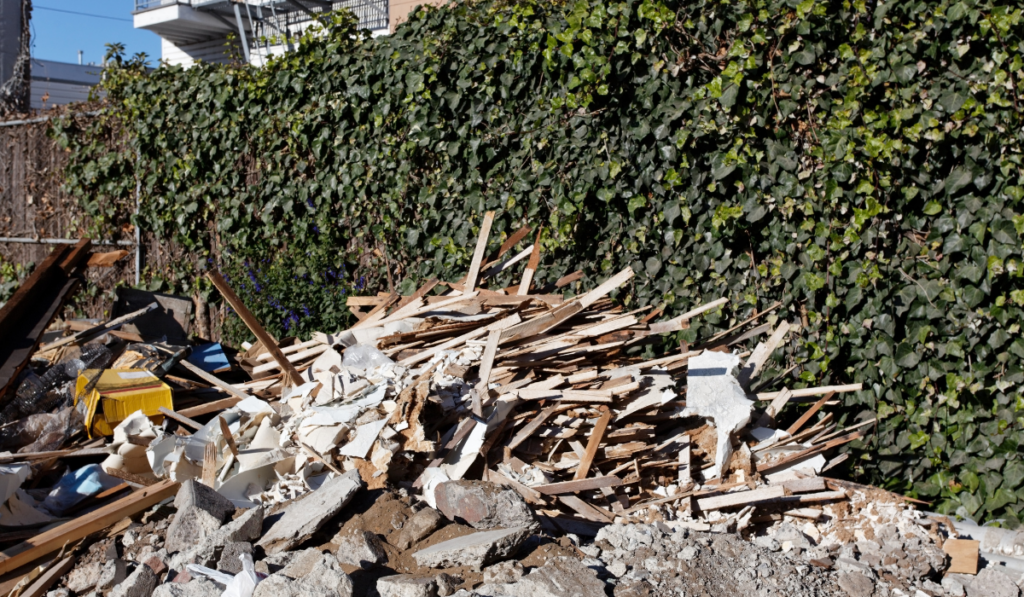
Construction debris removal in Parrish FL on active construction sites requires properly sorting residential teardown material, commercial renovation waste, and land clearing debris into the correct disposal categories before a single load leaves the site, and in Parrish's active development market, where multiple debris types are frequently generated on the same parcel at the same time, that sorting requirement directly affects both disposal cost and regulatory compliance. Property owners and contractors who treat debris removal as a simple haul-off job discover the same set of problems: loads rejected at the disposal facility, inspection holds triggered by improperly staged debris, and haul-off trucks blocking equipment access at critical phases of the project. This post covers what construction waste removal in Parrish actually involves, what Manatee County and Florida DEP require, and how to sequence debris removal on a multi-phase project without slowing the construction timeline.
Construction and Demolition Debris Management in Parrish and Manatee County: Waste Streams, Disposal Requirements, and Project Sequencing
Why Parrish's Development Market Creates a Different Debris Challenge
Parrish is one of the fastest-growing ZIP codes in Manatee County, and that growth has produced a specific debris management challenge that does not exist in slower markets. On a typical Parrish active construction site in 2026, the same parcel may simultaneously generate residential teardown debris from an existing structure being demolished, land clearing material from vegetation and stumps being removed to expand the build envelope, and construction waste from early-phase site preparation work, all before the new structure's framing has begun.
Each of those debris streams has different regulatory classification, different acceptable disposal facilities, and different handling requirements before it can be loaded onto a truck. Mixing them, running residential demolition debris, land clearing material, and hazardous waste into the same haul load, creates loads that a permitted C&D facility may reject entirely, loads that violate Florida DEP solid waste regulations, and waste audit problems that create liability for the property owner rather than the hauler.
The volume of active construction in Parrish also affects disposal facility capacity and scheduling. Permitted C&D landfills and transfer stations serving Manatee County handle a significantly higher intake volume during peak construction season. Contractors who do not schedule haul-off in advance, or who generate debris faster than their scheduled pickup capacity, end up with material staged on-site for longer than the project schedule can absorb, creating access conflicts for equipment and potential erosion control violations when debris piles sit in areas designated for drainage flow.
The Three Debris Streams on a Parrish Construction Site and How Each Is Regulated
Understanding the three primary debris streams on a Parrish active construction site is the foundation of a compliant debris management plan. Each stream has its own regulatory classification under Florida DEP's solid waste rules and its own acceptable disposal pathway.
Construction and demolition debris: Concrete, masonry, drywall, wood framing, roofing material, and asphalt from residential or commercial demolition. This material is classified as C&D debris under Florida Statutes Section 403.703 and must be disposed of at a permitted C&D disposal facility. Concrete and asphalt rubble may be recycled at permitted facilities. Drywall and wood are accepted at most C&D landfills but cannot be commingled with household solid waste. Manatee County's approved C&D disposal options include both county-operated facilities and private permitted sites.
Land clearing debris: Trees, stumps, brush, and vegetation removed during site clearing. This material is classified separately from C&D debris and may be accepted at permitted land clearing debris facilities, mulched on-site where local regulations allow, or hauled to a green waste composting facility. It cannot be buried on-site in Manatee County without a specific permit and is not accepted at standard C&D landfills that do not hold a land clearing debris endorsement.
Hazardous and regulated material: Asbestos-containing material, lead paint debris, and contaminated soil identified during pre-demolition surveys. This stream requires a licensed abatement contractor, separate containment, and disposal at a facility permitted to accept regulated waste. It cannot be commingled with any other debris stream and must be fully abated and documented before general demolition debris removal begins on any Parrish project involving pre-1980 structures.
What Manatee County and Florida DEP Actually Require for C&D Debris Disposal
Florida DEP's solid waste regulations under Chapter 62-701, Florida Administrative Code, establish the framework for C&D debris disposal in Parrish and throughout Manatee County. These rules require that C&D debris be disposed of at a permitted facility, prohibit open burning of debris without a specific air permit, and prohibit disposal of C&D material in unpermitted areas including on-site burial without county approval.
Manatee County's local solid waste ordinances add a layer of requirements specific to active construction sites. Projects generating above certain volumes of C&D debris may be subject to waste reduction and recycling reporting requirements. Debris that is improperly staged on a site — blocking drainage inlets, located within SWFWMD buffer setbacks, or creating stormwater contamination risk — can trigger a county code enforcement notice independent of the building permit inspection process.
What property owners most often do not know: the responsibility for proper debris disposal rests with the property owner, not the hauler. If a hauling contractor takes a mixed load to an unpermitted disposal site, the property owner can be held liable for the illegal disposal under Florida's chain-of-custody provisions. Confirming that your debris removal contractor uses permitted facilities and can provide disposal receipts is not optional on a Parrish active construction site.
Our demolition and debris removal services and land clearing services coordinate all debris streams to permitted facilities as part of the project scope, and our Parrish area service page covers how we approach active construction projects in this market. Our full service capabilities are available on the Wingard Land Services services page.
How to Sequence Debris Removal on a Multi-Phase Parrish Project
Debris removal sequencing on a multi-phase Parrish construction project is a logistics decision that affects equipment access, inspection outcomes, and project schedule at every subsequent phase. The most common sequencing mistake is treating haul-off as a cleanup task that happens after each phase rather than a coordinated operation that is planned before the first phase begins.
The correct sequence for a typical Parrish residential demolition and site clearing scope: regulated material abatement first, structural demolition second with debris staged in a designated area that does not conflict with clearing equipment access, land clearing debris managed to a separate staging zone, and haul-off of each stream scheduled in advance against the facility's confirmed intake capacity. The designated staging areas should be marked on the site plan before any work begins, not improvised as debris accumulates.
On commercial projects or multi-structure demolition scopes, add a debris tracking protocol that records each load by debris type, hauler, destination facility, and weight ticket. This documentation protects the property owner in the event of a regulatory audit and provides the project manager with visibility into whether haul-off volume and timing is tracking against the project schedule.
Frequently Asked Questions About Construction Debris Removal in Parrish, FL
What is the difference between C&D debris and solid waste in Florida?
Construction and demolition debris under Florida Statutes Section 403.703 includes concrete, masonry, drywall, wood framing, roofing material, and asphalt from construction or demolition projects. It must be disposed of at a permitted C&D facility and is regulated separately from household solid waste. Mixing C&D debris with household solid waste violates both classifications and typically results in rejection at the disposal facility.
Can land clearing debris be buried on-site in Parrish?
Not without a specific permit from Manatee County. On-site burial of land clearing debris — trees, stumps, and vegetation — is prohibited without county approval and requires compliance with setback and groundwater protection requirements. Most Parrish construction sites handle land clearing debris through permitted green waste facilities or on-site mulching where local regulations and site conditions allow.
Who is responsible if debris from my Parrish project is disposed of improperly?
Under Florida's chain-of-custody provisions for solid waste, the property owner retains responsibility for ensuring that debris generated on their property is disposed of at a permitted facility. If your hauling contractor disposes of debris illegally, the property owner can face regulatory liability. Always require disposal receipts from your debris removal contractor and confirm the destination facility holds the appropriate state and county permits for the debris type being hauled.
Have an active construction site in Parrish that needs debris removal coordination? Contact our team for a free estimate on demolition cleanup, haul-off, and site clearing in Manatee County.