

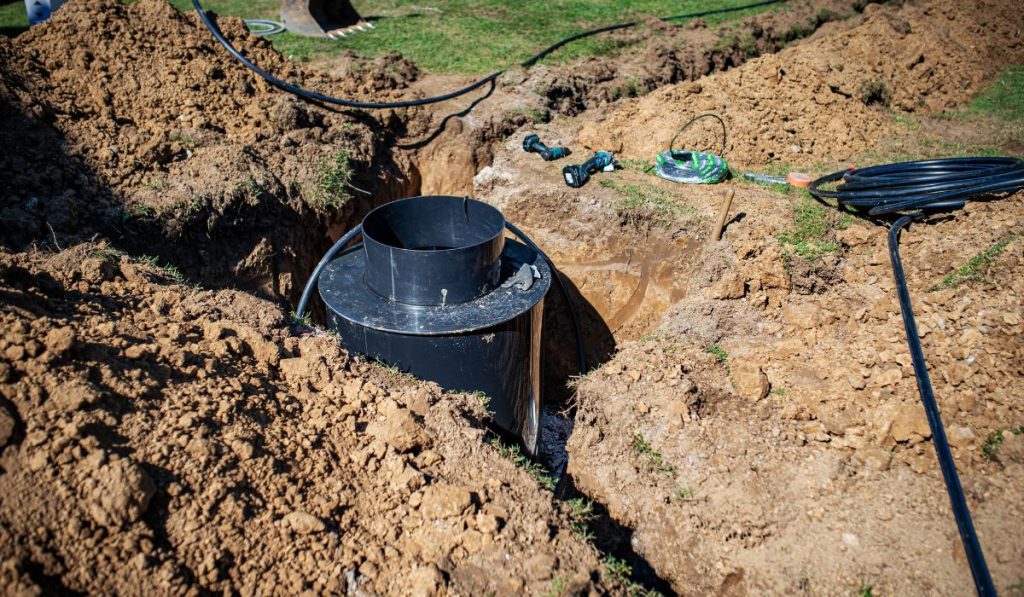
When a structure comes down on a Venice or Sarasota County property, the work happening below grade is often more consequential than anything visible above it. Building demolition contractors in Venice and experienced Sarasota County demolition contractors who understand underground utility systems know that improper depth, poor trench management, and skipped inspections create the kind of problems that surface months or years after a project closes. This post covers what property owners and developers need to understand about sanitary sewer, storm drainage, and precise trenching before any underground utility work begins on their site.
Underground Utilities in Venice and Sarasota County: Depth, Sequencing, and Why It Matters for Your Project
Why Depth Is Not Arbitrary
Every underground utility line installed in Florida has a minimum depth requirement, and those requirements exist for good reason. Shallow lines are vulnerable to surface load damage from vehicles, equipment, and compaction. Lines installed too deep without proper bedding create settlement issues that affect the structures above them.
In Sarasota County, underground utility installation is governed by local amendments to the Florida Building Code as well as standards set by the Florida Department of Environmental Protection for sanitary and storm systems. These are not suggestions. They are the baseline that every inspection is measured against.
Here is a general reference for minimum cover depths on residential and light commercial projects in this region:
| Utility Type | Typical Minimum Cover | Key Consideration |
|---|---|---|
| Sanitary sewer | 36 inches | Slope to maintain gravity flow; varies by run length |
| Storm drainage | 18 to 24 inches | Must account for inlet elevation and outfall connection |
| Waterline | 12 to 18 inches | Separation from sewer lines is critical per DEP standards |
| Fireline | 18 to 36 inches | Must maintain pressure rating through depth and bedding |
| Electrical conduit | 24 inches (rigid); 18 inches (RMC) | Cover requirements increase under driveways and roadways |
These numbers are starting points. Actual depth on any given project in Venice or Sarasota County may be greater depending on soil conditions, water table, crossing conflicts, and the specific requirements of the local utility authority.
The Role of Sanitary Sewer Slope in South Florida Conditions
Gravity sewer systems depend on consistent slope to move waste without buildup or backflow. The standard minimum slope for a four-inch residential sewer line is one-quarter inch of drop per linear foot of run. For six-inch commercial lines, the minimum is one-eighth inch per foot.
In Venice and coastal Sarasota County, the high water table adds a layer of complexity. Contractors working in this area know that trench conditions change quickly, especially during the rainy season. A trench that opens dry in the morning can be compromised by afternoon if dewatering is not actively managed. That affects bedding material placement, compaction quality, and ultimately the slope and stability of the line.
This is the kind of local knowledge that separates contractors who work this market regularly from those who treat it as an occasional job.
Storm Drainage: More Than Moving Water Off the Surface
Storm drainage on commercial and residential sites in Sarasota County is regulated in part by the Southwest Florida Water Management District. SWFWMD requires that new development and significant redevelopment meet specific retention and treatment standards before stormwater leaves a site.
That means underground storm systems on Venice projects are not simply moving water from Point A to Point B. They are part of a designed drainage plan that has to meet treatment volume requirements, discharge rate limits, and outfall connection standards.
Installing a storm system without understanding those requirements creates inspection failures, permit holds, and expensive rework. Our Venice and Sarasota County site preparation and excavation services are structured to account for drainage design requirements from the first trench to final inspection.
Precise Trenching and Why It Protects Your Budget
Trenching is where underground utility work either stays on budget or starts to drift. Overexcavated trenches require more bedding material, more compaction passes, and more time. Trenches cut too narrow for the pipe diameter and bedding zone create compaction problems that cause settlement after backfill.
We use GPS machine control on commercial projects to maintain grade accuracy throughout the trench and ensure bedding elevations are consistent before any pipe is set. On residential sewer line installation in Venice, precision trenching protects the surrounding landscape, adjacent structures, and existing utility crossings that are often closer together than initial utility locates suggest.
The cost of getting trenching right the first time is always lower than the cost of uncovering and relaying a line that failed inspection or settled out of grade.
Demolition and Underground Utilities: The Sequencing Problem Most Contractors Skip
On properties undergoing full demolition before a new build, underground utility sequencing is a step that gets skipped or rushed more often than it should. Existing sewer laterals, storm connections, and waterlines need to be properly abandoned, capped, or reconnected as part of the demolition scope before new lines are designed and installed.
Failing to address existing sub-surface infrastructure during demolition creates conflicts when new utility lines are laid out. It also creates liability if an abandoned line causes a sink or drainage issue after the new structure is occupied.
Our demolition services and underground utility work are coordinated as part of the same project scope when both are in play, so nothing below grade is left unresolved when the new build begins.
What to Ask Before Hiring for Underground Utility Work in Venice
Before signing a contract for sewer line installation or storm drainage work on a Venice or Sarasota County property, ask these questions:
- Are you registered with Sarasota County and familiar with SWFWMD requirements for this project type?
- Who pulls the permits and manages inspection scheduling?
- How do you handle dewatering if the trench hits the water table?
- What bedding material and compaction standard are you specifying?
- How is slope verified before backfill begins?
A contractor who cannot answer those questions clearly is not the right fit for this work. You can learn more about how we approach site preparation and underground utility coordination on our service pages, and our full coverage area is outlined on our areas we serve page. For common project questions, our FAQ page covers what property owners and developers ask most often before getting started.
Frequently Asked Questions
How deep does a sewer line need to be in Venice, FL?
Sanitary sewer lines in Sarasota County typically require a minimum of 36 inches of cover, though actual depth depends on slope requirements for the run length, soil conditions, and utility crossing conflicts. Your contractor should verify depth requirements with the local utility authority and Sarasota County Building and Development Services before trenching begins.
Do I need a permit for sewer line installation in Venice?
Yes. Sanitary sewer and storm drainage work in Venice and unincorporated Sarasota County requires permits and inspections through the appropriate local building department. Wingard Land Services is fully registered with Florida municipalities and manages the permitting process as part of every underground utility project.
What is the difference between sanitary sewer and storm drainage?
Sanitary sewer lines carry wastewater from plumbing fixtures to the municipal sewer system or a septic system. Storm drainage lines carry surface runoff away from a site and are subject to separate SWFWMD water quality and retention standards. The two systems must maintain required separation distances and are never connected.
Can underground utility work be done at the same time as demolition?
Yes, and coordinating both phases under one contractor is generally more efficient and cost-effective. Existing sub-surface lines need to be properly abandoned or capped during demolition before new utility design begins. Managing both phases separately increases the risk of conflicts and added mobilization costs.
Have a Venice or Sarasota County project that involves demolition, sewer line installation, or storm drainage work? Contact our team for a free estimate and a straightforward conversation about what your site requires.
Request A Quote